Expert Videographer Services in South Africa
Welcome to Expert Videographer Services in south Africa, your go-to source for creative and Professional video services. Are you in need of a skilled videographer, cinematographer, or filmmaker to capture a special event or bring your creative vision to life? Look no further. Our team of experienced professionals is here to provide you with robust creative solutions that exceed your expectations.
From wedding videography to corporate videography and event filming, our videographers have the expertise to handle any project. By combining their technical skills with their keen eye for storytelling, they can transform your vision into a captivating video that resonates with your target audience.
But what does it mean to be a videographer? A videographer is a professional filmmaker who specializes in capturing and producing videos. They possess the technical knowledge and artistic creativity to bring stories to life through the lens of a camera. Whether you are planning a wedding, a corporate event, or simply need promotional material for your business, our videographers have the talent and passion to deliver creative video services that will leave a lasting impression.
So, why settle for ordinary when you can have extraordinary? Contact Expert Videographer Services in South Africa today and let us capture your special moments and elevate your projects with our professional videography services.
Why Hire a Professional Videographer?
Hiring a professional videographer for your project or event can make a world of difference. With their expertise, equipment, and creative vision, they have the ability to capture high-Quality footage and bring your ideas to life. Whether you’re planning a wedding, a corporate event, or need promotional videos for your business, a professional videographer is the key to producing engaging and visually stunning content.
Here are a few reasons why you should consider hiring a professional:
- Expertise: Professional videographers have in-depth knowledge and experience in their craft. They are skilled storytellers, adept at capturing the essence of an event and conveying emotions through their work.
- High-quality production: By using top-of-the-line equipment and employing advanced filming techniques, professional videographers ensure that your videos are of the highest quality. From crisp visuals to crystal clear audio, every aspect of the production is carefully crafted.
- Meeting your vision: A professional videographer will take the time to understand your vision and goals for the project. They collaborate with you to make sure that the final product reflects your desired aesthetic and captures the essence of the event.
- Creative storytelling: Videographers are artists who know how to tell stories through their videos. They understand the importance of pacing, shot selection, and editing to create captivating narratives that resonate with the audience.
- Engaging content: In today’s fast-paced digital world, it’s crucial to capture the attention of your audience. Professional videographers know how to create content that is unique, eye-catching, and memorable, leaving a lasting impression on viewers.
When it comes to videography, hiring a professional filmmaker is a decision that can elevate your project or event to new heights. Don’t settle for anything less than the best. Invest in the expertise and creativity of a professional videographer to ensure that your videos stand out and leave a lasting Impact.
For more info: https://ro-bust.co.za/production-companies-in-johannesburg/
Contact: Robust Creative Solutions
Related Post
Screen Printing: Easy DIY Tips for Fab TeesScreen Printing: Easy DIY Tips for Fab Tees
Screen Printing: Easy DIY Tips for Fab Tees
Screen printing is a cool way to make art and designs on all sorts of stuff. We love how it lets us put bright, bold images on t-shirts, posters, and even electronics. It’s been around for ages, but it’s still super popular today.
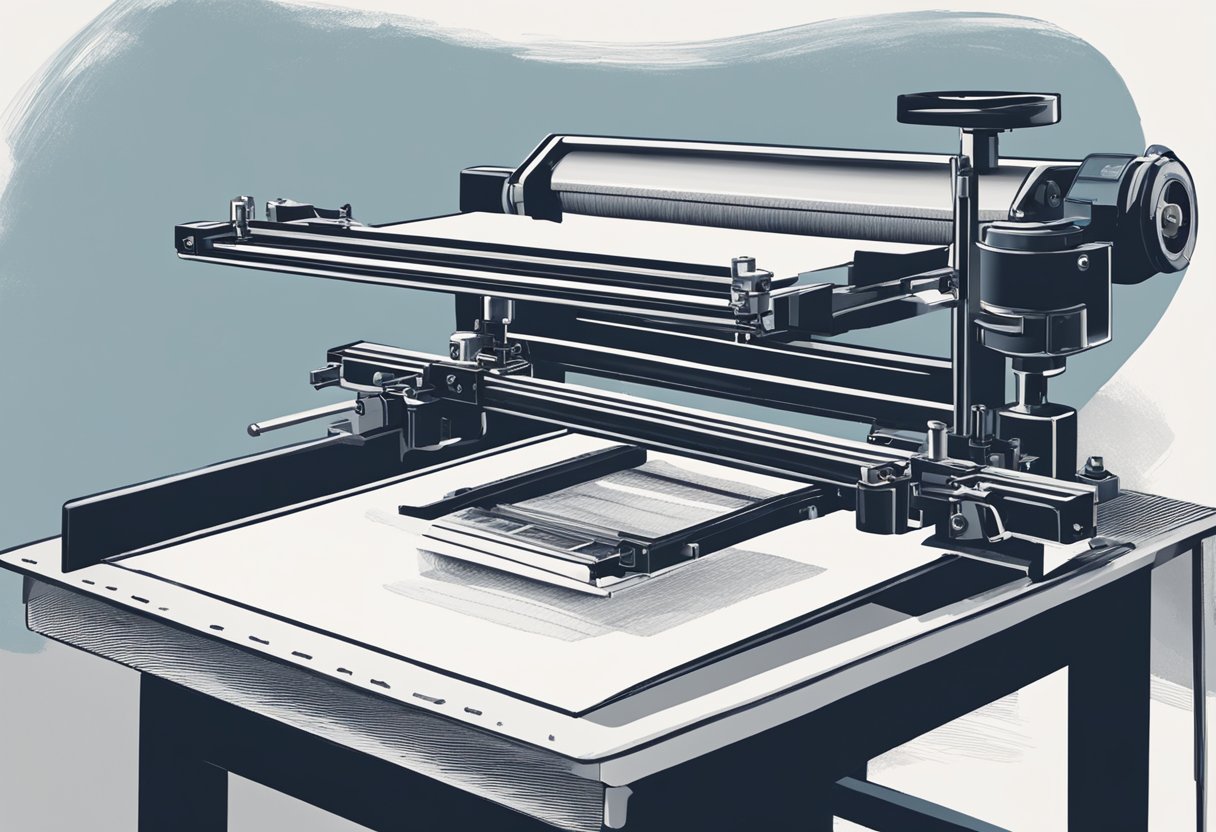
Screen printing works by pushing ink through a mesh screen onto the thing you want to print on. The screen has little holes in it that let the ink through in just the right places to make your design. It’s brilliant for making lots of the same image quickly and cheaply.
We’ve seen screen printing used for everything from fancy art prints to high-tech sensors. It’s ace for making custom t-shirts for your footie team or band merch. And get this – scientists are even using screen printing to make special electrodes for measuring stuff. How cool is that?
Basics of Screen Printing
Screen printing is a versatile technique that lets us create eye-catching designs on all sorts of surfaces. It’s a simple yet powerful method that’s been around for ages. Let’s dive into the key parts that make it work.
Understanding the Screen
The screen is the heart of screen printing. It’s a fine mesh stretched over a frame, usually made of polyester or nylon. The mesh count is crucial – it’s the number of threads per inch. Higher mesh counts are great for detailed work, while lower counts suit thicker inks.
We use different mesh counts for various jobs:
- 110-160: Good for basic designs
- 180-230: Perfect for most prints
- 305+: Ideal for super fine details
The frame holding the mesh is typically aluminium or wood. Aluminium lasts longer and stays taut, but wood is cheaper and works well for smaller projects.
Creating the Stencil
The stencil is what shapes our design on the screen. We’ve got a few ways to make one:
- Paper stencils: Cut out designs from paper – quick and easy for simple shapes.
- Photo emulsion: This light-sensitive goop lets us transfer complex designs onto the screen.
- Cut film: A plastic sheet we cut and stick to the screen – great for bold graphics.
To use photo emulsion, we:
- Coat the screen
- Dry it in the dark
- Place our design on top
- Expose it to light
- Wash away the unexposed bits
The result? A perfect stencil ready for printing!
Inks and Colours
Inks are what bring our designs to life. We’ve got loads to choose from:
- Plastisol: The most common – it’s durable and doesn’t dry in the screen.
- Water-based: Eco-friendly and soft to touch, but can be trickier to use.
- Discharge: Removes dye from dark fabrics and replaces it with pigment.
We mix inks to get the exact shade we want. It’s a bit like being a colour chef!
Here’s a tip: always test your ink on a scrap piece first. Different fabrics can change how the colour looks.
For layering colours, we start with the lightest and work our way to the darkest. This helps keep our prints looking crisp and vibrant.
The Screen Printing Process
Screen printing is a versatile technique for creating vibrant designs on various surfaces. We’ll look at the key steps involved, from preparing artwork to curing the final print.
Preparing the Design
We start by creating our design digitally or by hand. Then, we transfer it onto a mesh screen using a light-sensitive emulsion. This screen acts as our stencil for printing.
Next, we place the screen in a dark room and expose it to UV light. The parts of the emulsion not covered by our design harden, while the rest washes away. This leaves us with a negative of our image on the screen.
We then clean and dry the screen carefully. It’s crucial to check for any imperfections at this stage. If we spot any issues, we might need to start over to ensure a crisp final print.
Once cured, our prints should be durable and ready to wear or use. It’s a satisfying end to the screen printing process!
What is the SSA Work History ReportWhat is the SSA Work History Report
The SSA Work History Report (Form SSA-3369) allows claimants to list all jobs they held for the last 15 years before they could not work due to illnesses, conditions, or injuries.
The SSA Work History Reports help the Disability Determination Services (DDS) to understand how your illnesses, conditions, or injuries prevent you from being able to perform your past relevant work.
Through this form, the SSA (Social Security Administration) determines what jobs you can do and whether your options are limited enough for you to qualify for benefits.
How Your Work History Impacts Your SSDI and SSI Claims
If you’re 49 years old or younger, the work history report is less crucial to the SSA’s decision to grant you disability benefits. At said ages, the administration may only use the report to identify other occupations you can do with your transferable skills.
But if you’re aged 50 and above, the work history report becomes important in proving your disability and receiving your benefits. In said age range, you are considered under the GRID rules.
The vocational GRID rules are based on your work history report. If you stated that your job as a janitor involved mostly sitting down when, in fact, you were on your feet all day, this could potentially preclude you from disability benefits.
How Your Work History Impacts Your SSDI and SSI Claims
Skill transferability becomes an issue as SSA must determine jobs using the same tools, work processes, and industry as those used in your relevant past work experience.
SSA may struggle to transition you to other vocations when you’re 50-55 years old as you’re “Approaching Advanced Age” under GRID rules. If you’re above 55 years old, SSA may only offer you jobs you can do that are sedentary work with no transferable skills.
SSA has two goals when reviewing your work history report:
- Determine jobs you can still do despite your illnesses, conditions, and injuries.
- Determine if your job options are limited enough that you qualify for disability benefits.
Therefore, your goals upon filling out your work history report are:
- List out your transferable skills for the last 15 years before the date of your disability to avoid getting unskilled, dead-end jobs.
- Give a clear picture of the nature of your past jobs of the said 15 years to prove why you can no longer do them due to your disability.
The Importance of Employment Information Accuracy in Your Work History Report
SSA will use whatever you include in this form about your past work. People often make errors filling out this form, and DDS can then use their own answers against them, affecting their chances of getting SSDI and SSI benefits.
For example, a person could list jobs beyond the last 15 years or fill out the form like a job application, bolstering their old positions. SSA can use the faulty information to deny them disability benefits and prove they can return to their old jobs.
Tips for Filling Out SSA’s Work History Report Form
Here are some fast tips on filling out your work history report as accurately as possible:
- Use your old W2 forms to help you remember your job history and how much you made with them within the 15 years before your disability.
- Never write your job title; write the job that you did. For example, if your Professional title is production associate who assembles air conditioners, you can write “air conditioner assembler” to fully show the nature of your work.
- This is not the time to make yourself look better. For example, if you’re a salesman in a shoe store, you may want to write it down as manager. This will only make DDS mistake you for employment skills that you don’t have and may list down work that you can do that requires managerial skills.
- A job is a job, even a part-time one, that lasts more than six months, and your earnings from it are above the substantial gainful activity.
- Every job requires lifting, even office jobs, which occasionally require lifting boxes of papers. Include what objects you have lifted in your job description, and search the web for how heavy they are.
- Never leave a question unanswered. If the question doesn’t apply to you, write “n/a” for not applicable. If you’re unsure about the answer, simply write “unsure.” This way, your submission will not be marked as incomplete.
Benefits of Working with a Social Security Disability Representative
Doing government paperwork can be daunting. Most people would rather be done with it as soon as possible. However, completing the Work History Report is one of the most crucial documents to submit. While SSA can learn about your health from your medical records, their only reporting about your work history is you.
If you do it right, it works to your advantage. If not, your work history report can work against you.
Having a Social Security Attorney by your side can increase your chances of getting viable job options and claiming SSI and SSDI benefits.
Let Us Help You: No Benefits, No Fee
Are you seeking assistance with your SSA Work History Report in Washington, Idaho, Oregon, or California? Look no further than the Marken Law Group. Our team will guide you through the complexities of SSA Work History Report-related matters and act as your representative. We don’t charge you unless we successfully secure the benefits you’re entitled to.
Ready to make your Work History Report more manageable? Schedule a free consultation with us today.
Scene Study Classes Online : Tools and ResourcesScene Study Classes Online : Tools and Resources
When engaging in online scene study, having the right tools can significantly enhance the learning experience. Video conferencing platforms like Zoom and Google Meet offer versatile options for real-time interactions. High-quality web cameras and microphones play a crucial role in maintaining clear communication among participants. Additionally, utilizing a reliable internet connection ensures that technical hiccups do not interrupt the flow of practice. Beyond these platforms, digital resources such as Skype and Skype for Business can also facilitate rehearsals. Incorporating screen-sharing features allows actors to view scripts or visual references simultaneously, creating a collaborative environment.
Access to various online resources further enriches the scene study experience. Websites like Backstage and StageMilk provide a wealth of scripts, character analyses, and acting exercises tailored for online learning. Actors can also turn to YouTube for video demonstrations of scenes and techniques, pulling inspiration from experienced professionals. Moreover, apps like Actor’s Toolkit and Rehearsal Pro assist in script memorization and organization, making them indispensable for actors. By integrating these resources into their practice routines, actors can cultivate a dynamic and effective scene study experience, despite the physical distance.
Utilizing Video Conferencing Platforms Effectively
Video conferencing platforms like Zoom and Microsoft Teams have revolutionized the way scene study classes online are conducted. These tools offer features such as breakout rooms, screen sharing, and virtual backgrounds that can elevate the learning experience. In a scene study setting, participants can utilize screen sharing to analyze scripts or display performance videos. By using breakout rooms, students can work in smaller groups, providing a more intimate environment for rehearsing scenes and receiving immediate feedback from peers.
Effective communication is crucial in scene study classes online. Tools like Slack or Discord can complement video meetings by allowing for asynchronous discussions and the sharing of resources. Sharing performance clips on platforms like YouTube can help facilitate discussions about character development and choices. Educators can also use Poll Everywhere to gauge understanding or opinions during classes. Incorporating these varied tools ensures that students stay engaged and receive well-rounded input on their performances, mirroring the dynamics of in-person classes as closely as possible.
The Role of Feedback in Scene Study
Feedback serves as an invaluable element in the learning process for actors engaged in scene study classes. In a virtual setting, platforms like Zoom and Skype allow for real-time interaction, enabling instructors to provide immediate critiques and insights. An actor’s ability to resonate with an audience and effectively deliver lines often hinges on the objectives and emotional subtext of their performance. For example, in a scene from “Hamlet,” a student’s interpretation could be refined by feedback focused on conveying the internal conflict of the character. This could involve suggestions on vocal modulation or physicality, which can dramatically enhance a performance.
Importance of Constructive Criticism
Constructive criticism serves as a vital catalyst for growth in scene study classes. When actors receive feedback, it often guides them toward refining their abilities. Platforms like Zoom or Google Meet facilitate real-time interactions, allowing actors to engage with instructors and peers during online rehearsals. For example, when a student performs a monologue, immediate suggestions from experienced coaches can illuminate areas for improvement, such as emotional delivery or timing. This kind of specific feedback not only builds confidence but also sharpens performance skills, as actors learn to adapt based on what resonates with an audience.
Receiving constructive feedback from fellow participants also fosters a collaborative environment that mirrors a traditional classroom setting. During scene work, students can offer insights on each other’s performances, often utilizing tools such as video playback for a clearer understanding of their execution. Apps like Actra or ScenePartner help dissect performances by allowing actors to analyze their work alongside peer reviews. When addressing elements like body language or vocal variation, these observations can resonate deeply with an actor’s artistic development, ultimately enhancing their overall capability in scene studies.
- Constructive criticism helps actors identify and address specific areas for improvement.
- Direct feedback encourages a collaborative learning atmosphere among peers.
- Real-time interactions allow for immediate application of suggestions, enhancing learning.
- Video playback tools aid in visualizing and understanding performance flaws.
- Peer reviews provide diverse perspectives that enrich an actor’s growth.
- Incorporating feedback promotes adaptability, which is essential for live performances.
- A supportive environment strengthens participants’ confidence and willingness to take risks.