Choosing the Right Car Seat For Your Child’s Age and Size
When it comes to selecting the appropriate car seat for your child’s age and size, the options can seem overwhelming at first glance. However, with safety being the utmost priority, it’s essential to carefully consider various factors to ensure your child’s well-being on the road. Each stage requires specific features to provide optimal protection and comfort from infancy through to booster seat age. By understanding the key considerations for each type of car seat available and the laws surrounding car seats, you can make an informed decision that suits your child’s unique needs and promotes a safe travel experience for the whole Family.
Infant Car Seats
When selecting an infant car seat, prioritize safety features over aesthetics to ensure your child’s protection on the road. Look for seats with a secure five-point harness system, side-impact protection, and energy-absorbing foam.
Ensure the seat is compatible with your vehicle and that it meets all safety standards. Remember, the safest spot for your infant’s car seat is in the back seat, preferably in the middle. Make sure the seat is installed correctly and securely, with no more than an inch of movement.
Regularly check for recalls and stay updated on safety guidelines to keep your little one safe during every car ride. Your child’s safety is paramount, so choose wisely.
Convertible Car Seats
Ensure your child’s safety continues as they grow by considering a convertible car seat that provides reliable protection and comfort on the road. Convertible car seats are designed to accommodate children as they transition from rear-facing to forward-facing positions, offering versatility and longevity.
These seats typically have higher weight and height limits than infant car seats, allowing your child to use them for an extended period. Convertible car seats feature adjustable harness systems and multiple recline positions to ensure a proper fit as your child grows. Additionally, they offer side-impact protection and energy-absorbing foam for enhanced safety.
When selecting a convertible car seat, make sure it meets all safety standards and fits securely in your vehicle.
Booster Seats
Consider upgrading to a booster seat to provide your growing child with the necessary Support and protection during car rides. Booster seats are designed for children who’ve outgrown their forward-facing car seat but aren’t yet ready for just a seat belt. They elevate your child, enabling the seat belt to fit properly across their chest and lap. Make sure the shoulder belt sits snugly across the shoulder and chest, not the neck or face.
Booster seats come in high-back and backless options, with high-back boosters offering additional head and neck support. Always check the weight and height limits of the booster seat to ensure it’s appropriate for your child’s size.
All-in-One Car Seats
If your child is ready to transition from a booster seat, you may want to explore all-in-one car seats as a versatile option for long-term use.
All-in-one car seats are designed to accommodate children from infancy to booster seat age, offering a seamless transition as your child grows. These seats typically have higher weight and height limits compared to other types, allowing for extended use.
They can be rear-facing for infants, forward-facing for toddlers, and then convert to booster seats for older children. With an all-in-one car seat, you won’t need to buy multiple seats as your child grows, making it a cost-effective and convenient choice for many parents.
Extended Rear-Facing Seats
When selecting a car seat for your child, prioritize safety by considering extended rear-facing seats for optimal protection. Extended rear-facing seats are designed to keep your child facing the back of the vehicle for a longer period, providing enhanced protection for their head, neck, and spine in the event of a crash.
These seats are recommended by safety experts as they distribute the force of a collision over a larger area, reducing the risk of Injury. By keeping your child rear-facing for as long as possible within the seat’s height and weight limits, you’re providing them with the best possible safety measures in the car.
Related Post
Teeth Straightening Reinvented Discover the Cool Factor of Invisalign for Teens | Advanced Orthodontics In Bellevue And Redmond, WaTeeth Straightening Reinvented Discover the Cool Factor of Invisalign for Teens | Advanced Orthodontics In Bellevue And Redmond, Wa
Imagine you’re a teen getting ready for the first day of high school. You’re excited but also nervous about your appearance, especially if you have
-
For many teens, how they look can impact their confidence and Social interactions. Now, picture an orthodontic solution that aligns with your style while straightening your teeth discreetly. Welcome to the world of Invisalign—a modern approach that transforms smiles without the baggage of traditional braces.
Invisalign offers a fresh perspective on orthodontic treatment. It’s a series of clear, custom-made aligners designed to fit snugly over the teeth, gradually moving them into the desired position. Unlike metal braces, these aligners are almost invisible, making them an attractive option for teens who prioritize aesthetics and comfort.
Understanding Invisalign
What is Invisalign?
-
is a cutting-edge orthodontic treatment that uses a series of clear aligners to straighten teeth. These aligners are crafted from a specialized plastic material and are worn over the teeth to gently shift them into their correct positions. Each set of aligners is worn for about two weeks before being replaced with the next set in the series, progressively moving the teeth until the desired alignment is achieved.
How Invisalign Differs from Traditional Braces
When comparing Invisalign to traditional braces, several distinct differences stand out. First, the aesthetics of Invisalign are unparalleled. The clear aligners make them virtually invisible, allowing teens to smile confidently without the glare of metal brackets. This is a game-changer for self-conscious teens concerned about their appearance during treatment.
In terms of comfort, Invisalign aligners are smooth and devoid of the sharp edges often associated with metal braces. This reduces the likelihood of mouth sores and irritation, making the treatment much more comfortable. Additionally, the convenience of being able to remove the aligners for meals and special occasions means teens can maintain their usual routines without disruption.
Finally, Invisalign requires fewer visits to the
-
compared to traditional braces. This is because there are no wires to tighten or brackets to adjust, making it a more convenient option for busy teens and parents.
Benefits of Invisalign for Teens
Comfort and Flexibility
Invisalign aligners are designed with comfort in mind. Made from smooth plastic, they fit snugly over the teeth without any sharp edges that can cause discomfort or injury to the mouth. This makes Invisalign a more comfortable option compared to metal braces, which can sometimes lead to irritation and soreness.
The flexibility of Invisalign also sets it apart. Teens can remove the aligners for eating, brushing, and flossing, allowing for a level of freedom not possible with traditional braces. This means they can enjoy their favorite foods without worrying about damaging their braces or getting food stuck in wires and brackets. It also makes maintaining proper oral hygiene easier, which is crucial during orthodontic treatment.
Easier Oral Hygiene
Keeping teeth clean while wearing braces can be challenging, but Invisalign makes it simple. Since the aligners are removable, teens can brush and floss their teeth as they normally would. This helps prevent the buildup of plaque and reduces the risk of cavities and gum disease, which can be a concern with traditional braces.
In addition to maintaining -, the ability to remove aligners allows for thorough cleaning of the aligners themselves. Teens can rinse them after meals and brush them regularly to keep them clear and fresh. This ease of maintenance contributes to better overall oral health throughout the treatment process.
customization of Aligners
Once the treatment plan is established, the next step is the customization of the aligners. Using advanced -, a series of aligners are meticulously crafted to fit each teen’s unique dental anatomy. These aligners are designed to apply gentle pressure to move the teeth into their desired positions gradually.
The number of aligners needed will vary depending on the complexity of the case and the goals of the treatment. Teens will receive several sets of aligners at once, and they will switch to a new set approximately every two weeks. This tailored approach ensures that each aligner works effectively to achieve the best results.
Conclusion
Invisalign offers a revolutionary approach to orthodontic treatment, providing teens with a cool and comfortable way to achieve a perfect smile. Its discreet appearance, comfort, and flexibility make it an ideal choice for teenagers who want to enhance their smiles without compromising their lifestyles.
Ready to transform your teen’s smile? - to learn more about Invisalign and how it can benefit your family.
Examine This Report on 22 Team-building Activities Your Coworkers Won`t Hate – The …Examine This Report on 22 Team-building Activities Your Coworkers Won`t Hate – The …
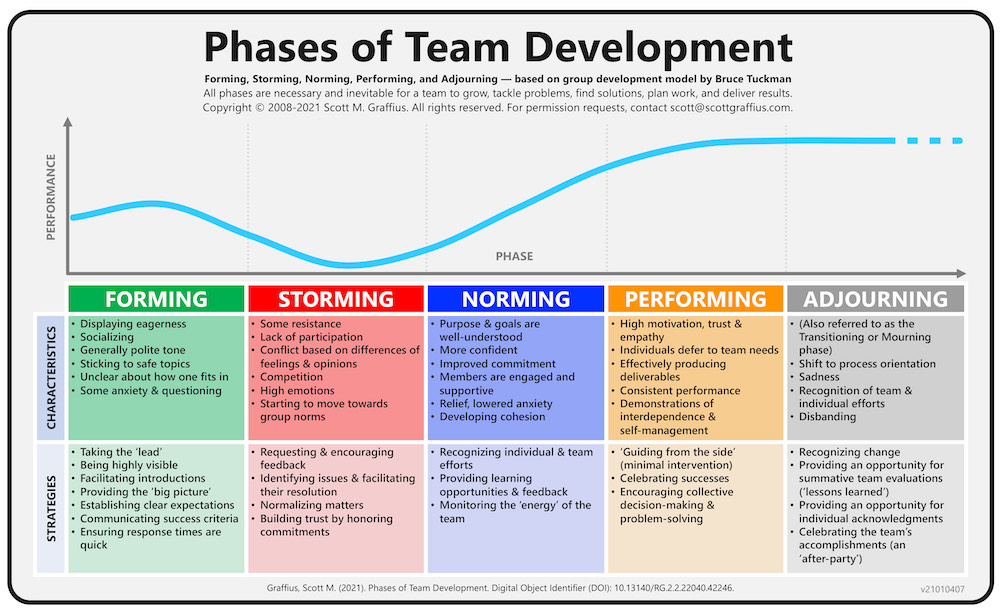
Examine This Report about What Is Team Development And Its 5 Stages [Explained]
: The mechanics of intergroup communication,decision-making,and also liability are agreed upon and managed efficiently. Nearly all teams lack one or even more of these criteria at some point in their period. Team development strives to meet these requirements with continuous reflection and also development. Like any form of development,it takes some time and also devotion to be efficient.
As the real work begins,the job might present both technological and interpersonal challenges. Private work routines,leadership choices,or gaps in communication can trigger stress within a group. Nuisance,frustration,as well as anxiety typically develop in action. This phase of team development is called storming. Storming is one of the most difficult as well as ineffective of the five stages of growth,yet it is nevertheless crucial to the team development procedure.
With this info,the group can begin desiring a far better group dynamic. The norming phase of team development is the calm after the tornado. In this stage of team development,employee fall under a rhythm as a natural taskforce. The abilities of each member are validated and made use of to execute the essential tasks.
The Ultimate Guide To 4 Stages Of Building High-performing Team – Voler Systems?
The team can manage dispute and continue with the project efficiently. Some teams reach a stage of growth in which they grow at their specific as well as cumulative tasks. The skills of each member are completely maximized,supervision is virtually never required,as well as participants really feel a strong feeling of trust fund in one an additional.
Reaching the carrying out phase is a major success and also typically speeds up some type of group learning. Group learning is a behavioral procedure of seeking,celebration,discussing,and implementing approaches of team success. Whether with training,team campaign,or cutting-edge management,team learning is an action step that ensures healthy team development.
Knowing Outcomes Define the 5 stages of team development. Explain just how team norms and cohesiveness impact efficiency. Introduction Our conversation so far has actually focused primarily on a group as an entity,not on the people inside the team. This resembles describing an automobile by its design and also shade without considering what is under the hood.
About Team Development – Ysc Consulting
In teams,the inner characteristics are individuals in the group and also just how they connect with each various other. For teams to be efficient,individuals in the group need to have the ability to interact to contribute collectively to group outcomes. But this does not occur immediately: it creates as the group interacts.
Stages of Team Development This process of finding out to function together properly is recognized as team development. Research study has actually shown that teams go via clear-cut phases during development. Bruce Tuckman,an instructional psychologist,recognized a five-stage development procedure that a lot of groups follow to become high performing. He called the phases: developing,storming,norming,performing,and also adjourning. artificial intelligence.
The majority of high-performing teams go through 5 phases of team development. Developing stage The creating stage entails a duration of orientation and also getting accustomed. Unpredictability is high throughout this phase,and also people are looking for leadership and authority. artificial intelligence. A participant that insists authority or is educated might be aimed to take control.
More About 22 Team-building Activities Your Coworkers Won`t Hate – The …
Team efficiency raises during this phase as members find out to work together and start to focus on group objectives. However,the consistency is precarious,and also if disputes re-emerge the group can relapse right into storming. In the carrying out stage,agreement as well as cooperation have been well-established and the group is mature,arranged,and well-functioning.
-
Troubles and also conflicts still emerge,yet they are managed constructively. (We will certainly go over the function of dispute and also dispute resolution in the following section). The team is concentrated on issue solving and also satisfying team goals. In the adjourning stage,the majority of the group`s objectives have actually been achieved. The focus is on finishing up last jobs and documenting the initiative and results.
There might be regret as the team finishes,so a ceremonial acknowledgement of the job as well as success of the team can be handy. If the team is a standing committee with continuous responsibility,participants may be changed by brand-new individuals as well as the group can go back to a forming or storming stage and repeat the growth process.
Little Known Questions About The 5 Stages Of Group Development Explained – Clockify Blog.?
Team norms set a criterion for habits,perspective,as well as performance that all employee are anticipated to follow. Standards resemble rules however they are not written down. Instead,all the group members unconditionally comprehend them. Standards work since staff member intend to sustain the team and also protect relationships in the group,and when standards are breached,there is peer stress or assents to implement conformity.
Originally,during the forming as well as storming stages,standards concentrate on assumptions for participation and also commitment. Later on,throughout the norming and also performing stages,norms concentrate on partnerships and degrees of performance. Efficiency standards are really vital because they define the level of job initiative as well as criteria that figure out the success of the group.
Standards are just reliable in managing habits when they are approved by staff member. The degree of on the group mostly identifies whether employee approve as well as adapt norms. Group cohesiveness is the extent that participants are brought in to the team and also are inspired to remain in the group. platform.
About Stages Of Team Development – Hawaii Doe
They attempt to adapt to norms due to the fact that they wish to maintain their connections in the group as well as they want to meet team expectations. Groups with strong performance norms and also high cohesiveness are high carrying out. As an example,the seven-member executive group at Whole Foods hangs around with each other outside of job. Its members often mingle and also also take team getaways.
You do not have to obtain superpowers from a product or create among one of the most renowned brands of your generation to be an excellent leader. Overview your team via each phase of the procedure with the complying with ideas:1. Set a clear purpose and objective as well as revisit it throughout the procedure.
It is the framework that will certainly assist you make choices. It provides you direction. Without it,you`ll go no place. People obtain so shed in a specific task that they forget why they are doing it in the first place. It is very easy to shed view of the “large photo”. Teams need a clear function and objective and also should be advised of them usually.
The Only Guide to The 5 Stages Of Team Development – Thoughtful Leader
Set guideline as well as make certain they are complied with. Rules may not appear enjoyable,but they improve complication. Without them,no one will recognize what is thought about acceptable behavior. Everybody will certainly have their very own “style” of doing points. Teams without policies are disjointed,vulnerable to conflict and also inefficient. Among the initial jobs that teams need to do is establish ground rules.
Some instances are:- Don`t interrupt an additional participant when they are speaking. Turn off your phone throughout working meetings. Track your time transparently with Toggl Track. Produce a regular work strategy with jobs as well as share it with the group. Bear in mind that guidelines are created to aid your group remain concentrated on what issues mostperformance.
-
Let other participants function as leaders or facilitators. Every group needs to have a facilitatora individual that leads as well as overviews meetings as well as conversations. Somebody who drives the team in the direction of an usual goal. As a company owner or supervisor,you might be the marked team leader. However,that doesn`t imply you must always be the one leading.
Keys of Illusionists using ExperienceKeys of Illusionists using Experience
Among one of the most renowned magic tricks is the one where the magician shows up to turn a small item right into a big one. This trick needs 2 things of similar shapes and size. You need to put the empty hand above the very first and also make use of the various other to pick up the things. As the spectator comes close to the - the stage,he or she pretends to put the object in the other hand,yet in reality the illusionist covertly tucks the item right into the palm of the previously owned. This technique can be complicated to learn,yet technique makes best.
The best-known method of all is the disappearing act,where the magician makes a things show up out of nothing. The viewer is shown a ring in which a ring shows up. The entertainer after that makes use of the disappearing point to make the things vanish. It has a long background,and it has progressed significantly throughout the years. The adhering to are some instances of disappearing acts. The’ repair’ impression includes a performer cutting a woman in fifty percent and after that bringing the female back to life.
One more prominent method is the manufacturing. This impression entails the illusionist producing a tiny item from thin air. The illusionist might also develop a little fan of cards from thin air. Other tricks consist of the development of a dove from a frying pan or an empty in front of an audience. Doing this method on in the spotlight with no crowd is a popular means to flaunt one’s skill. If you want to learn just how to execute this trick,you have to initially grasp the trick of disappearing objects.
Some illusionists attempt to get away death traps or restraining tools. Some - have also been placed in straitjackets or overrunning water to make their spectators wonder how they procured out during the -. Some are even tied up in an automobile while going through a car crusher. If you have the skill and also experience,you can produce your own magic tricks. So,get innovative and also carry out some exciting tricks! Enigma of the Transforming Colors.
The vanishing and also manufacturing optical illusions are a staple of magic programs. These techniques are utilized to alter objects’ shades and also shapes. Some are likewise made use of to make things go away. These are known as “wonders”. Using a straitjacket or a table top to transform a strong object right into a smaller one will certainly make the magician look even more excellent and also uncertain. This method is called a straitjacket,as well as it is the most popular trick in the history of magic.
As the illusionist carries out a magic trick,he must continue to be quiet. The audience members needs to not have the ability to see his or her eyes. Unlike other sorts of impressions,an excellent technique involves an individual looking directly at the illusionist. This is a crucial element of a magic program,and the spectators will value this. As a matter of fact,audience will usually praise the magic tricks if they see a secret activity. The illusionist can also use the object to avert the viewer’s stare.