Choosing the Right Car Seat For Your Child’s Age and Size
When it comes to selecting the appropriate car seat for your child’s age and size, the options can seem overwhelming at first glance. However, with safety being the utmost priority, it’s essential to carefully consider various factors to ensure your child’s well-being on the road. Each stage requires specific features to provide optimal protection and comfort from infancy through to booster seat age. By understanding the key considerations for each type of car seat available and the laws surrounding car seats, you can make an informed decision that suits your child’s unique needs and promotes a safe travel experience for the whole Family.
Infant Car Seats
When selecting an infant car seat, prioritize safety features over aesthetics to ensure your child’s protection on the road. Look for seats with a secure five-point harness system, side-impact protection, and energy-absorbing foam.
Ensure the seat is compatible with your vehicle and that it meets all safety standards. Remember, the safest spot for your infant’s car seat is in the back seat, preferably in the middle. Make sure the seat is installed correctly and securely, with no more than an inch of movement.
Regularly check for recalls and stay updated on safety guidelines to keep your little one safe during every car ride. Your child’s safety is paramount, so choose wisely.
Convertible Car Seats
Ensure your child’s safety continues as they grow by considering a convertible car seat that provides reliable protection and comfort on the road. Convertible car seats are designed to accommodate children as they transition from rear-facing to forward-facing positions, offering versatility and longevity.
These seats typically have higher weight and height limits than infant car seats, allowing your child to use them for an extended period. Convertible car seats feature adjustable harness systems and multiple recline positions to ensure a proper fit as your child grows. Additionally, they offer side-impact protection and energy-absorbing foam for enhanced safety.
When selecting a convertible car seat, make sure it meets all safety standards and fits securely in your vehicle.
Booster Seats
Consider upgrading to a booster seat to provide your growing child with the necessary Support and protection during car rides. Booster seats are designed for children who’ve outgrown their forward-facing car seat but aren’t yet ready for just a seat belt. They elevate your child, enabling the seat belt to fit properly across their chest and lap. Make sure the shoulder belt sits snugly across the shoulder and chest, not the neck or face.
Booster seats come in high-back and backless options, with high-back boosters offering additional head and neck support. Always check the weight and height limits of the booster seat to ensure it’s appropriate for your child’s size.
All-in-One Car Seats
If your child is ready to transition from a booster seat, you may want to explore all-in-one car seats as a versatile option for long-term use.
All-in-one car seats are designed to accommodate children from infancy to booster seat age, offering a seamless transition as your child grows. These seats typically have higher weight and height limits compared to other types, allowing for extended use.
They can be rear-facing for infants, forward-facing for toddlers, and then convert to booster seats for older children. With an all-in-one car seat, you won’t need to buy multiple seats as your child grows, making it a cost-effective and convenient choice for many parents.
Extended Rear-Facing Seats
When selecting a car seat for your child, prioritize safety by considering extended rear-facing seats for optimal protection. Extended rear-facing seats are designed to keep your child facing the back of the vehicle for a longer period, providing enhanced protection for their head, neck, and spine in the event of a crash.
These seats are recommended by safety experts as they distribute the force of a collision over a larger area, reducing the risk of Injury. By keeping your child rear-facing for as long as possible within the seat’s height and weight limits, you’re providing them with the best possible safety measures in the car.
Related Post
What Are Small Business Loans?What Are Small Business Loans?
Business loans are funds given for a defined amount of time with a set interest rate to a specific person or people who manage a business or intend to run a small business. This interpretation is broad, but so are the various types of loans available to business people. Deciding on the right type of business loan you and your firm will benefit from the most is crucial. Frequently, a start-up business or someone who has never owned a business enterprise will find themselves generally applying for a “personal” loan. This can be a very risky endeavour, mixing small business loans with personal loans, however, sometimes it is the only available means for first-time small business owners. Learn more about Asset Finance
The initial step personal business enterprise owners need to do is build business credit.
Contact Car Finance Doncaster Business enterprise credit can help you get a small business-only loan without using your personal credit. Creating business credit can be done by:
1) Starting a business enterprise credit card account and paying it in full.
2) Buying equipment and products from companies that will Report good standing to the business enterprise credit bureaus.
3) Creating a good business enterprise plan with Future earnings, letters of intent, and any type of customer contracts already drafted.
All of these types of endeavours can help in receiving a business enterprise loan. Often, financial institutions require in-depth business plans and allocate time for days working on just the certification paperwork before applying for a small business loan. A business enterprise-only loan can be obtained in the business name without the use of personal credit as long as the business can justify the loan amount and the capacity to pay it back.
There are several various kinds of business enterprise loans available, ranging from those secured with collateral, non-secure loans, which are based upon the creditworthiness of the applicant, and even government loans for small business ventures, women, and minorities. Government loans are those loans secured by the government; in most instances, these loans are available when the small business or owner can prove that the community will prosper based on the business at hand. For the most part, government loans are based on personal credit.
The basis for which you may need or require a business loan may vary. Some of the most common small business loans available to business enterprise owners are:
Acquisitions or a loan to acquire an existing small business
Inventory loans
Account Receivable Loans
Working Capital Loans which convert a company’s assets into working capital
Equipment lease financing
Commercial real estate financing
Warehouse loans
Global business financing
Loans for franchises
One of the most important tools when determining what type of small business loan your firm needs is studying. Researching the different types of loans available to you and your company can save you funds. First, look into the different types of small business loans available to you in your state. Many states have government loans available; some even offer grants, which are money available for specified purposes that do not require repayment. Investigate the different types of Government loans available. Visit us here Top Gear Asset Finance
Elevate Your Home with Stunning Custom Outdoor StructuresElevate Your Home with Stunning Custom Outdoor Structures
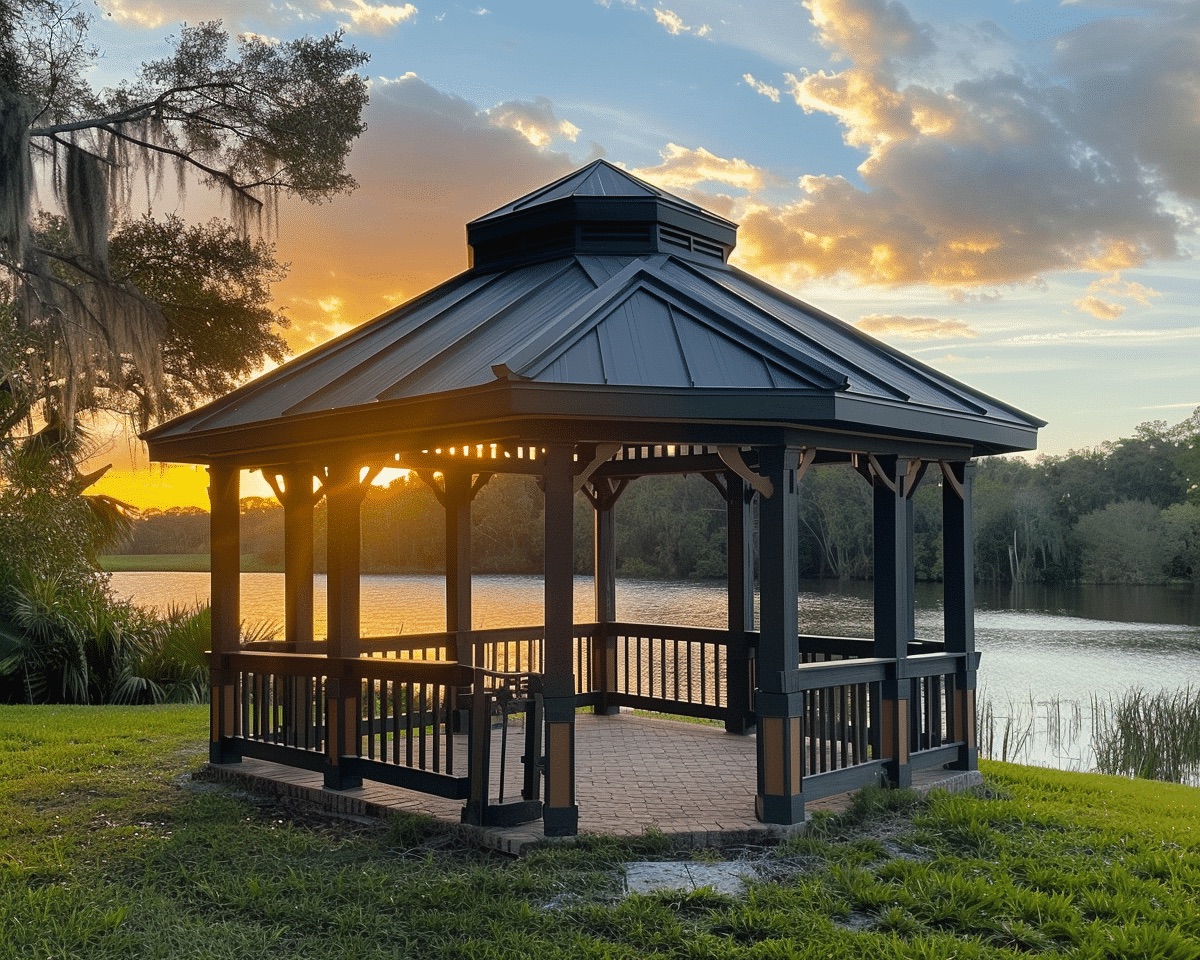
Discover the Magic of Custom Outdoor Structures
Transform your backyard into a haven of relaxation and beauty with custom outdoor structures. These architectural gems—pavilions, pergolas, and gazebos—combine elegance, functionality, and durability to redefine your outdoor living space. Whether you’re hosting events, seeking solitude, or simply enjoying nature, there’s no better way to elevate your lifestyle. Explore how you can
and create a serene outdoor retreat with expertly crafted designs.
Why Custom Outdoor Structures Are a Must-Have
Boost Property Value and Curb Appeal
Adding custom outdoor structures to your home doesn’t just enhance your experience; it also increases your property’s value. Beautifully designed pavilions, pergolas, and gazebos create a visual centerpiece that draws attention while giving potential buyers an enticing reason to invest. When you’re ready to
, choosing durable and high-quality materials is essential.
Create Functional Outdoor Spaces
Your outdoor space is an extension of your home. With thoughtfully designed custom outdoor structures, you can create areas tailored for dining, lounging, entertaining, or even meditating. The versatility of these structures makes them suitable for any purpose you envision. Custom outdoor solutions are the key to
that add both value and beauty to your property.
Foster Connection with Nature
Incorporating custom outdoor structures into your garden allows you to reconnect with the natural world. These designs seamlessly blend with greenery, creating an inviting ambiance where you can unwind. For inspiration on Gazebo installation tips, consider stunning pavilions, pergolas, and gazebos tailored to your needs.
Types of Custom Outdoor Structures
Pavilions: The Heart of Outdoor Gatherings
Pavilions are spacious, roofed structures that provide shelter without confining you. Ideal for hosting outdoor parties or creating a shaded retreat, pavilions can be customized to fit modern, rustic, or traditional aesthetics. Trust reliable experts in Create functional outdoor spaces to bring your dream space to life with quality craftsmanship.
Key Benefits:
- Weather protection for all seasons
- Ideal for large gatherings and events
- Customizable designs for any style
Pergolas: Beauty in Simplicity
Pergolas feature open-roof designs that allow sunlight to filter through while providing partial shade. These versatile structures are perfect for enhancing patios, walkways, and gardens.
How Pergolas Stand Out:
- Serve as climbing plant trellises for natural charm
- Create cozy corners for relaxation or dining
- Add architectural elegance to your backyard
Gazebos: Timeless Elegance
Gazebos offer enclosed or semi-open designs with intricate detailing. These charming structures serve as quiet escapes or picturesque spots for intimate conversations.
Why Choose Gazebos:
- Perfect for romantic settings or peaceful retreats
- Available in various sizes and materials
- Provide 360-degree views of your landscape
How to Choose the Perfect Custom Outdoor Structure
When selecting your custom outdoor structures, consider the following:
- Purpose: Define how you plan to use the space. Do you need shade for summer gatherings or a quiet nook for reading?
- Design Preferences: Match the structure’s style to your home’s architecture and landscaping.
- Material Durability: Opt for weather-resistant materials like treated wood, aluminum, or composite options.
- Size and Placement: Ensure the structure fits comfortably in your yard and complements its surroundings.
Maintenance Tips for Custom Outdoor Structures
Keeping your custom outdoor structures in pristine condition is simple with these tips:
- Regular Cleaning: Sweep debris and wash surfaces to prevent buildup.
- Stain or Paint: Apply protective coatings to maintain the structure’s appearance and prevent damage.
- Inspect for Damage: Periodically check for cracks, rust, or wear, and repair promptly to avoid bigger issues.
FAQs About Custom Outdoor Structures
Q: What is the best material for outdoor structures?
A: The best material depends on your climate and preferences. Treated wood offers natural beauty, while aluminum and composite materials provide durability with minimal maintenance.
Q: How long does it take to build a custom pavilion, pergola, or gazebo?
A: Construction timelines vary based on the size and complexity of the project. On average, most projects take 2–6 weeks.
Q: Are custom outdoor structures eco-friendly?
A: Yes! Many builders prioritize sustainable materials and energy-efficient designs to create eco-friendly structures.
Q: Can outdoor structures withstand harsh weather?
A: Absolutely! Properly constructed custom outdoor structures are built to withstand varying weather conditions, ensuring long-lasting durability.
Transform Your Space with Total Site Amenities
Partnering with the right experts ensures your custom outdoor structures meet your expectations. At Total Site Amenities, we prioritize quality craftsmanship, innovative designs, and unparalleled customer service to bring your vision to life. Contact us today to begin your outdoor transformation.
The Rich Cultural Heritage of the Yakut PeopleThe Rich Cultural Heritage of the Yakut People
When you explore the rich cultural heritage of the Yakut people, you’ll find an intricate tapestry woven from their deep connection to nature and age-old traditions. As descendants of ancient Turkic tribes, they’ve preserved their identity through enthralling oral stories, mesmerizing throat singing, and masterful craftsmanship, especially in reindeer hide attire. Their spiritual beliefs, rooted in reverence for the natural world and ancestral spirits, come alive during vibrant festivals like ‘Yhyakh.’ But what truly drives their Resilience and adaptation through History? The answer lies in the unique practices that continue to shape their community today.

Historical Background of the Yakut People
The Yakut people, native to the harsh yet beautiful landscapes of Siberia, have a rich history that dates back thousands of years, intertwining their survival with the extreme environment they call home. You’ll find that their origins trace back to the ancient Turkic tribes, who migrated to this region, adapting to the severe climate and developing a unique culture. The Yakut traditionally relied on reindeer herding, fishing, and hunting, skills that honed their resilience against the biting cold and vast expanses of tundra and taiga.
As you explore their past, you’ll discover that the Yakut faced numerous challenges, including invasions and assimilation pressures from various empires. However, they maintained their identity through oral traditions, folklore, and a deep spiritual connection to nature. The harsh winters shaped their communal lifestyle, fostering a strong sense of kinship and cooperation among families.
Throughout the centuries, the Yakut people have preserved their language and customs, even as modern influences began to encroach. By understanding their historical background, you can truly appreciate the depth of their cultural heritage and the strength that has allowed them to thrive in one of the world’s most formidable environments.
Traditional Arts and Crafts
Immerse yourself in the vibrant world of Yakut traditional arts and crafts, where intricate techniques and natural materials come together to reflect the unique identity and resilience of the Yakut people.
You’ll find stunning examples of craftsmanship in their traditional clothing, often made from reindeer hides and adorned with intricate beadwork. Each stitch tells a story, showcasing the skills passed down through generations.
As you explore further, you’ll be captivated by the Yakut’s mastery of wood carving. They transform local woods into beautifully crafted everyday items, from practical tools to decorative sculptures. These pieces often feature motifs inspired by nature, emphasizing the strong connection between the Yakut people and their environment.
Don’t miss the vibrant art of throat singing, a unique vocal tradition that complements their visual arts. This practice reflects the rich oral history and cultural narratives of the Yakut.
As you investigate these traditional arts and crafts, you’ll gain a profound appreciation for the creativity and spirit of the Yakut people, who continue to honor their heritage while adapting to the modern world.
Spiritual Beliefs and Practices
Rooted deeply in nature and ancestral connections, the spiritual beliefs and practices of the Yakut people offer a fascinating glimpse into their worldview and way of life. You’ll find that their spirituality is intertwined with the rhythm of the seasons and the natural elements surrounding them. The Yakut revere the spirits of nature, believing that every river, tree, and mountain has a soul. This connection fosters a profound respect for the environment.
Ceremonies play a vital role in their spiritual life, often focused on honoring ancestors and seeking guidance from the spirits. You might witness rituals that involve offerings of food and gifts at sacred sites, allowing you to feel the weight of tradition in the air.
Shamanism is particularly significant; shamans act as mediators between the physical and spiritual worlds, conducting healing ceremonies and divinations.
Preserving the Cultural Heritage of the Yakut People
The rich cultural heritage of the Yakut people is a testament to their resilience and deep connection to their land and traditions. Their customs, stories, and practices offer invaluable insights into a way of life that has been meticulously preserved through generations. To explore the fascinating world of the Yakut people in greater detail, we invite you to read a detailed article on yakut. Discover the vibrant legacy and enduring traditions that continue to define this remarkable community.