Getting the Good Seats at the Best Concerts
A Love Affair with Live Music: Unleashing the Power of Concert Tickets
Ever felt the magic when your favorite band hits that first chord, and you’re right there, breathing the same air? There’s something unimaginable about witnessing an artist perform live, bring melodies to life, and share their energy with you, right? Well, let’s face it, there’s no app or technology that can recreate the thrill of a live concert.
The Ultimate Struggle: Getting Your Hands on Concert Tickets
Flash sales, pre-sales, browsers crashing…the struggle is real when it comes to nabbing concert tickets, isn’t it? If scoring tickets to the most popular concert feels like finding a needle in a haystack, you’re not alone. But don’t fret, I’ve got your back! Together, let’s decode this frustrating enigma and turn your concert dreams into reality.
Why Concert Tickets are Tough to Get
Ever wondered why you’re ready and waiting with your credit card, only to find the concert sold out in minutes? Well, imagine a Small army of fans, all tapping away furiously at their keyboards, vying for the same seats – that’s your competition! And guess what, seasoned ticket holders aren’t your only rivals. Meet the bots. These automated scripts are designed to scoop up tickets lightning fast, and they don’t play fair. But here’s the good news – understanding the competition is half the battle won!
Unlock the Secret to Scoring Country Music Tickets
How about tapping your boots to some soul-stirring country music? Dreaming of ‘Dust on the Bottle’ with David Lee Murphy, or wanting ‘Something More’ from Sugarland? Whether you’re an old soul who enjoys the timeless classics or get your kicks from modern country crossover hits, the chase for country music tickets is always on.
Staying Ahead of the Pack: Buying Concert Tickets Like a Pro
Ready for some insider tips? Here are a few surefire ways to increase your chances of scoring those coveted concert tickets. First, sign up for fan clubs and email lists. Many artists offer pre-sale tickets to their loyal fans. Also, keep a keen eye on social media updates from musicians and venues. You never know when a surprise concert could be announced.
Another tip? Be prepared to Travel. Concerts in major cities can sell out rapidly, but smaller venues in nearby towns may still have available tickets. Sure, it’s a bit more of an adventure, but who doesn’t love a road trip especially when it ends with a live concert!
Waiting in the Wings: The Last-Minute Lifesaver
Missed out on the initial sale? Don’t despair. Keep an eye on the venue’s website. Oftentimes, additional tickets are released closer to the date. And there’s always the chance of scoring last-minute tickets from someone who can’t make it.
Wave FOMO Goodbye: Capture Concert Memories Forever
With a ton of patience and a sprinkle of savvy, you’ll be on your way to your dream concert in no time. Scoring that golden ticket not only means experiencing the raw energy of live music but also forming bonds with fellow fans, making memories, and collecting stories that you’ll retell for years to come.
Your Concert Experience Starts with the Ticket
Indeed, the concert experience starts with the ticket. So, hold those concert tickets tight and let them be your passport to an unforgettable music-filled journey. Ready to turn up the volume on your live music game? Let’s brave the sale together and say goodbye to the days of missing out!
Related Post
Do you have a pet dog or cat in your house?Do you have a pet dog or cat in your house?
Then here at - we can help you!
We treat them as part of the family; we are required to provide appropriate care and attention for them to make them look healthy and great,much like what we are doing to other member of the family.
There are different animal parlors where you can bring your animal dogs and felines to have them groomed correctly. Pet parlor owners also provide some standard home animal grooming suggestions and guidance for animal owners to follow so that they can personally address their pets’ grooming needs.
Have your Dog the Best Appearance
Pet pet dogs are one of the most adventurous animal animals. They tend to explore– different parts of the house,backyard,and even in the streets. Because of this,they obtain different smell (a stinky one,for example),their furs are stained,and different parasites stays with their body and make them scratchy.
Proper hygiene practices that resemble humans are one of the basics in dog grooming. It is important that you provide your dog the best bath. Below are the suggestions to help you shower your dog successfully.
- Prepare the tub and the bath provides that you will utilize in bathing your animal canine. Make the bathroom conveniently warm so that you can encourage your dog to have it shower. Collect all the pet bath products such as dog hair shampoo,towel,hair,and pail dryer that will be used prior to bringing them into the bathroom.
- After you have actually collected these bath products,bring your dog to the bathroom. Pet them and make them comfortable while you are waiting on the water to reach a relaxing temperature level suitable for them.
- Bathe them in the tub by using a pail to splash water on their body. You can also utilize a hose with a sprayer on the end.
- Usage medicated dog shampoos against ticks and fleas. You can also have shampoos of sweet aroma and good for your dog’s sensitive skin.
- Simply a tip: Never ever utilize dish soaps or your own hair shampoo since it will plague your dog with agonizing skin inflammations. Consult your vet initially if you are not sure of what dog shampoos and soaps are fit for them.
- Once you have actually sprinkled their body with water,apply now their hair shampoo. Make certain that you will not let the hair shampoo reach their eyes. Massage their body carefully. Rinse it with water once again.
- Dry them using a towel. Wipe their paws gently. Give additional attention to their ears,for any moisture web cam cause wax and bacteria build up that can cause ear infections.
- Then utilize a hair dryer. Set the dryer to its medium setting and place it at least six inches from your dog’s fur so that it will not burn.
Hydrophobic Cat Grooming Tips
It is a popular reality that felines are truly afraid of water. It is a challenge for you to entice your animal feline to take a bathe. Here are some guidelines that you can consider in bathing your animal:
- Make the water warm. Felines have high body temperature level than ours,so it will make them comfortable if you will shower them in warm water. It needs to not be too hot for them.
- Have them bathe in a flat surface area. You can also place it in a rubber mat so that they will not slip.
- Splash a little quantity of water on their body. If needed,utilize a hose with sprayer.
- Apply a little quantity of feline hair shampoo in their furs. Make certain it will not enter their eyes or else it will aggravate them. Usage shampoos specifically meant for them.
- After rinsing,dry them by using a towel and then later on a hair dryer in medium setting. Make certain you will not dry their furs totally. Utilize a brush to design their furs.
There you have the standard suggestions in grooming your animal dogs and felines. Make them the most-groomed pets you ever had.
Pet pet dogs are one of the most adventurous animal animals. â ¢ Prepare the tub and the bath provides that you will utilize in bathing your animal canine. Collect all the animal bath products such as dog hair shampoo,towel,hair,and pail dryer that will be used prior to bringing them into the bathroom.
It is a challenge for you to entice your animal feline to take a bathe. Here are some guidelines that you can consider in bathing your animal:
Call us and book an appontment at - today!
Film Themed Birthday Celebration Invitations – Creates a Movie Style For Your Following Birthday Celebration EventFilm Themed Birthday Celebration Invitations – Creates a Movie Style For Your Following Birthday Celebration Event
Flick themed invites can transform your next birthday celebration or event right into a memorable celebration. Whether you are planning an award ceremony,a children’ birthday celebration,or a company wedding anniversary,you can add the magic of flicks to the - event with some motion picture themed welcome layouts. There are a range of style options to select from,consisting of clipart and screen-scraping technology. This allows you to produce sensational motion picture themed invite themes that are personalized and also special. Below are some of the options you have for motion picture themed invites:
Ballot Bandits are a preferred favorite among youngster’s birthday party invite manufacturers. They make excellent birthday celebration celebration invitations and they are particularly cute when developed with a basic black and white history as well as a couple of red “balloon” kind balloons. A lot of these been available in the prominent colors of blue and light eco-friendly yet depending upon the producer,there are some that can be found in other colors also. If you choose these invitations,you may intend to think about consisting of some clip art of balloons to utilize as boundaries or embellishments on your invitations. These would certainly be a excellent enhancement to other motion picture themed welcomes that you might acquire wholesale.
Create Your Own Flick Themed Invitations An additional means to produce a unique invitation is to make use of evening invitations welcome layout. Some of these are readily available online as well as others are available through the majority of office supply stores. You can find the total night invitations invite layout or you can pick one that just includes the night time day as well as your name. It is best to obtain a layout so you can experiment a little bit with shades as well as different text designs.
Popcorn! Flick style and also motion picture themed birthday celebration event invitations can be created around a classic popcorn machine,consisting of the snacks container as well as snacks cart. If you prepare to provide the guests something to bring home after the event,consider supplying them with an extra gift that can be taken home with them. Attempt making your own snacks bag making use of foil or cellophane,and then using a hot glue weapon to stick your snacks onto the bag. Location the bag on a table,loaded with chocolate or caramel rounds,and you have a unique present idea that will certainly be a hit at your celebration.
Backyard Motion Picture Themed Birthday Celebration Invitations For a film event,you can develop yard motion picture theme welcomes by integrating aspects from your movie motif. An outside film evening invitation does not require to be just about the flick. Instead,- you can include elements of the characters,areas,and special occasions that you have picked for your birthday celebration,and also consist of a special reward for each visitor.
Using a movie event welcomes design template immediately downloads you right into your computer system. All you have to do is print it out,quit,adhesive it to a poster,or staple it to a item of cardboard. This gives you total control over the feel and look of your invites. You can make use of colors and also theme songs that refer your event motif. You can even use clipart as well as pictures that you have actually taken of your celebration area or props to give your welcomes a absolutely genuine look.
What do I need to buy for a trip?What do I need to buy for a trip?
Through everything I’ve accomplished in my life,I can’t tell you how many times I’ve wished to get something for a trip. Whether it was a new pair of shoes for running,a brand new camera or a new bag for sleeping,I was looking for everything when I went on an international travel. For me,it was fortunate that I knew I’d be flying internationally once airlines started to offer checked-in luggage. The new service is available worldwide by international airlines.
What do I need for my trip?
It’s all about the type of flight you’re taking, or if you’re going for extended international travel such as one semester or even a whole year. They can provide checked-in luggage services,regardless of the airline you travel with. These services are beneficial for passengers and economical for them. There is a lot of information about this on the websites of airlines however they provide luggage services for passengers who will be traveling internationally. If your luggage isn’t able to meet the required inspection time limit,you can test it in conjunction alongside your luggage. It’s better than throwing away the majority of your luggage.
What are the essentials for traveling?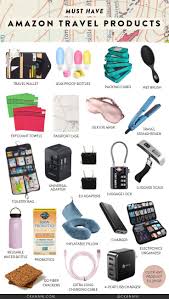
The baggage will be handed over to you at your chosen airport,or in any other location you’ve selected. For instance,if you are traveling to Tokyo and you chose to take a connecting flight, you can still utilize checked-in luggage. Check these out five items to pack for a trip. You can bring your own bag as well. There is no charge for luggage fees if you bring your bag. The process of checking luggage is vital for international and long-distance travel.
International travel can be an absolute nightmare. There is the possibility of losing the luggage you carry,have your luggage stolen or suffer delays during your flight. It is important to plan your travel prior to departure to avoid these problems. Here are a few things you’ll require when taking international travel.
How can I determine the weight of my suitcase?
When it comes to the process of checking luggage in, you should know the amount of weight you’ll need to carry in your luggage. It’s not safe to assume that everything will fit into the overhead compartment. It is typical for checked-in luggage to weigh between sixty and three hundred pounds; other luggage that must be checked-in weighs anything between five hundred and seven hundred pounds.
Second,when it comes time to decide which items to purchase for my carry-on luggage,you also need to know how many pieces you can carry on board. For savings,you should consider purchasing international airfare tickets when you are a frequent traveler. The price of the ticket includes the cost of the airline in addition to taxes and other fees. This is a great option to save money on international airfare tickets by buying them in larger quantities. A single ticket can result in more expense than purchasing them in bulk. You may also be able to find less expensive international flights if you are planning to fly to smaller cities in your country,since several airlines offer discounts for airfare for these cities.
What is considered to be a standard carry-on size?
Also,you should consider the dimensions of your carry-on bag when you travel internationally. There are several sizes to choose from So make sure you have the right bag for you. Have a glance at essential gadgets. There are also bags for carry-ons designed specifically for one person. These are commonly referred to as a lay-on. It is possible to purchase luggage that is divided into multiple pieces and store them inside an overhead compartment. This kind of luggage is referred to as an overhead luggage set.
If you’re trying to find the right luggage for your journey there are a variety of things that you should consider. The first step is to determine what you require for an international flight. After that, you should look for cheap airfare tickets. After that, you need to look for the cheapest international flights tickets. If you purchase your luggage online, you will be able to purchase the items that you need at a reasonable price,but be sure that they come with free worldwide shipping. You might consider purchasing an international travel guide if you have the funds. This will allow you to look through every option for your next travel adventure.