Tricks of the Trade for Making Great Beer
Putting together the devices and the components to make beer is a cut and dried operation. The procedure of making beer in your home isn’t actually a mystery. That is one of the factors that home brewing has ended up being so popular. It’s easy to get started on making your own beer due to the fact that you can get set up to brew beer at your house with a fairly low financial investment in equipment and ingredients. And when you finish that very first batch and it is saved away to be tested in a few weeks,the excitement that you quickly will be drinking your own beer is a special sensation and one you wish to duplicate often.
As soon as you have verified that you can indeed make beer,the next question comes up is – can you make GREAT beer? The clarity of the beer may have been imperfect or you might see stuff floating around in your beer.
You want your beer to be pleasurable and so tasty to consume that your guests say its as great or much better than store purchased beer and that it even lives up to the quality at the local beer bar. That’s a high order however part of the enjoyable of developing beer at home is to make every effort for those objectives.
A lot of recipes for making beer at house call for making a batch of 5 gallons of beer. Often home brewers attempt to cut the batch to make less beer. And if you don’t consume your own beer up quite fast (or offer it away),the beer can go stagnant or bad which is tough to see and watch it happen to “your” beer.
The more you discover and study about beer making,the better you will end up being at home brewing. Do not simply go from the guidelines that feature the devices. Sink your teeth into finding out all you can. The beer you make will take advantage of the homework you do. And you will have more enjoyment too. And you can then go professional with creating a fantastic customized beer bottle label here:
- -
- -
- -
Just as it’s not a good idea to cut the size of any batch of house made beer you produce,likewise avoid cutting corners in terms of time or sanitation. Often it seems that boiling the beer in development which is called the “wort” for an hour to a half and an hour looks like a lot. The long boiling time assists the ingredients mesh in just the ideal way. It also boils off bad aspects of the mixture that you do not desire in the beer and it brings out the tastes of the malt,the grains and the hops so you are getting the best of those ingredients. Lastly,do not be worried about being too fussy about cleanliness. Keeping your boiling pots and fermentation tanks absolutely tidy and sterilized guarantees that absolutely nothing will enter the beer other than that pure wort that you so thoroughly brewed. Go ahead and be fussy. If you are,the beer you make will be much better.
Since you can get set up to brew beer at home with a relatively low investment in equipment and active ingredients,it’s easy to begin making your own beer. Once you have verified that you can undoubtedly make beer,the next question comes up is – can you make EXCELLENT beer? You desire your beer to be satisfying and so flavorful to drink that your guests state its as good or much better than shop purchased beer and that it even lives up to the quality at the local beer bar. Many scripts for making beer at home call for making a batch of 5 gallons of beer at a time.
Related Post
Natural and Energy Healing With AcupunctureNatural and Energy Healing With Acupuncture
 Acupuncture is a method of natural healing as well as natural medicine wherein metallic needles are inserted and manipulated in particular factors in one’s body. It came from China around the second century BC throughout the Han Empire,though bone needles were first made use of for the method. Acupuncture is widely believed to heal a range of ailments and can be utilized for therapeutic functions.
In old-fashioned Chinese medicine,it is extensively believed that disorders are an outcome of an inequality of yin as well as yang triggered by a blockage of energy or ‘qi’. Qi flows through 350 various factors found in the human body. If needles are injected and manipulated at certain factors in the body,the circulation of energy is stimulated,restoring balance and healing ailments.
The positive aspects of acupuncture are numerous. Even clinical physicians utilize these in conjunction with more traditional treatments. For one,it’s extremely effective for dealing with pain as well as nausea or vomiting after surgical procedure. Furthermore,it’s effective for individuals with persistent low levels of energy and high levels of tension. By inserting needles at particular points,energy pathways end up being unblocked,providing a restored sensation of vigor and minimized stress.
Given that acupuncture needles are injected right into different channels,it boosts blood circulation as well as reinforces the body immune system,thus keeping disorders at bay. One more benefit of this natural healing technique is that its results are much longer lasting for dealing with sleep problems as well as migraines,compared to standard medicine. Dealing with these problems with conventional medicine takes long periods of time,causing specific adverse effects. Given that it’s natural,acupuncture gets to the root of the trouble without side effects.
Acupuncture is likewise highly efficient in dealing with arthritis,lower pain in the back,as well as various other aches. This holistic therapy option removes the reason for the problem,as opposed to simply treating its symptoms. Studies likewise reveal that acupuncture works against clinical depression,stress and anxiety,high blood pressure,short-tempered bowel disorder,and treating addiction. Indeed,acupuncture can be an alternative therapy procedure.
Acupuncture is among the holistic healing methods utilized in holistic therapy. It intends to promote full wellness,equilibrium,as well as integrity. Acupuncture promotes the flow of energy in one’s entire body,relieving discomfort and illness,advertising health and health. It heals the body,mind,and heart,therefore making it an efficient kind of therapy.
Mastering the Cost of Wall Paneling: Your Ultimate GuideMastering the Cost of Wall Paneling: Your Ultimate Guide
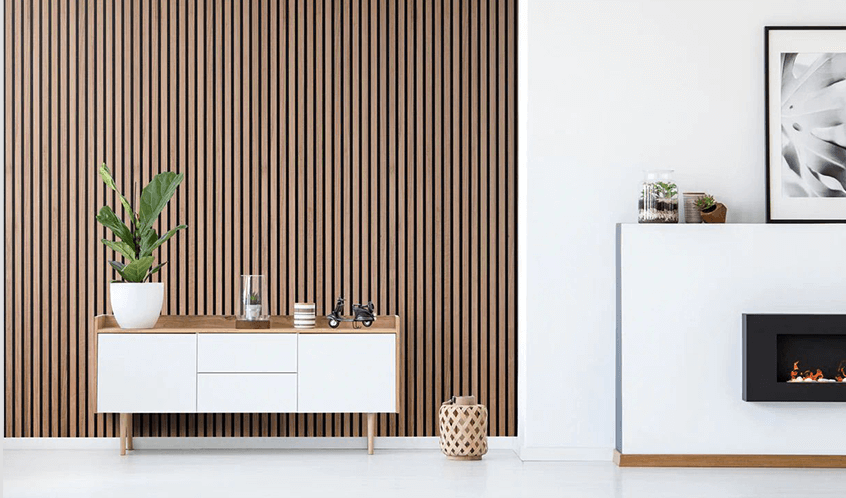
Mastering the Cost of Wall Paneling: Your Ultimate Guide
Wall paneling provides a distinct blend of design and usefulness, transforming plain walls into eye-catching focal pieces. Wall paneling is also a wonderful way to elevate your home’s interior while keeping
in mind. Whether you want to add cosy charm or modern elegance, knowing the cost of wall paneling may help you budget wisely and make informed decisions.
This comprehensive guide will walk you through the key factors influencing costs, tips to save money, and answers to common questions.
Breaking Down Wall Paneling Costs
The cost of wall paneling varies according to numerous factors. Understanding what causes these expenditures can help you plan your project more effectively.
Material Choices: The Foundation of Costs
Different paneling materials have varying pricing points, durability levels, and aesthetic appeal. Here’s a close look:
MDF and Plywood
These materials, which are both affordable and versatile, are ideal for painting or laminating. Prices vary from $1 to $3 per square foot.
Solid Wood
Opting for premium materials like solid wood can increase durability but also affect
significantly. Solid wood, which offers both luxury and durability, costs between $15 and $40 per square foot, depending on the type of wood.
PVC Panels
PVC panels are water-resistant and simple to clean; they cost between $5 and $10 per square foot, making them perfect for bathrooms and kitchens.
Stone or Brick Veneer
These panels are a premium alternative for rustic or industrial designs, costing $25 to $50 per square foot.
Installation Costs: DIY vs. Hiring a Pro
Labor charges can significantly impact the cost of wall paneling
DIY Installation
If you’re skilled, a DIY approach can save $5 to $10 per square foot. However, precision and the right tools are essential.
Professional Installation
Hiring professionals ensures flawless results. Expect to pay $5 to $10 per square foot for installation.
Wall Preparation
Preparation is essential for a flawless finish. If you need to repair or level your walls, budget $1 to $3 per square foot.
Additional Cost Factors
Other expenses to consider:
- Custom Designs: Intricate patterns or shapes increase material and labor costs.
- Finishings: Paint, stain, or sealant may add $2 to $5 per square foot.
- Area Size: Larger spaces cost more but may benefit from bulk pricing.
Average Costs for Common Scenarios
Proper planning and smart choices can help you control
while achieving stunning results. Here’s an estimate of the cost of wall paneling based on a 200-square-foot area:
| Material | Cost (Per Sq. Ft.) | Installation | Total Range |
|---|---|---|---|
| MDF or Plywood | $1–$3 | $5–$10 | $1,200–$2,600 |
| Solid Wood | $15–$40 | $5–$10 | $4,000–$10,000 |
| PVC | $5–$10 | $5–$10 | $2,000–$4,000 |
| Stone/Brick Veneer | $25–$50 | $5–$10 | $6,000–$12,000 |
Creative Paneling Options to Enhance Your Space
The possibilities are endless when it comes to wall paneling. Here are some popular choices:
- Shiplap: A clean, modern aesthetic that adds texture and depth.
- Wainscoting: A classic look perfect for dining rooms and hallways.
- Geometric Panels: Unique patterns to create a bold, contemporary style.
- Beadboard: A charming, vintage vibe ideal for cozy spaces.
How to Save on the Cost of Wall Paneling
Renovation does not have to be pricey. Here are practical ideas for keeping your project on budget:
- Shop Around: Compare prices from multiple suppliers and contractors.
- Consider Alternatives: Faux materials mimic expensive options at a fraction of the price.
- Focus on Accent Walls: Use premium materials sparingly to create a focal point.
- DIY Prep Work: Handle wall repairs and priming yourself to cut labor costs.
FAQs About the Cost of Wall Paneling
1. How Much Does Wall Paneling Typically Cost?
The cost of wall paneling is determined by the materials used, the installation process, and the wall preparation. Expect to pay between $1,200 and $12,000.
2. Is Wall Paneling a Good Investment?
Yes, wall paneling improves the aesthetics of your property while also increasing its market value. High-quality materials, such as wood or stone, can leave a lasting impact.
3. Can I Install Wall Paneling Myself?
DIY installation is possible for straightforward designs and lightweight materials. However, professional installation is recommended for complex or heavy panels.
4. Are There Maintenance Requirements?
Maintenance depends on the material. Solid wood may need periodic sealing, while PVC and MDF require minimal upkeep.
5. What Is the Cheapest Wall Paneling Option?
MDF and plywood are the most affordable, starting at $1 per square foot.
Investing in wall paneling is an excellent way to enhance your home’s interior design while improving durability. By understanding the cost of wall paneling and exploring your options, you can achieve a stunning transformation that suits your budget.
Whether you choose modern shiplap, classic wainscoting, or luxurious stone veneer, wall paneling is a worthwhile upgrade for any space.
Navigating the 2024 Part B Deductible: What You NeedNavigating the 2024 Part B Deductible: What You Need
Have you ever felt the ground shift beneath your feet? That’s what it might feel like for many come 2024 with the new 2024 part b deductible. Yes, a change is on the Horizon. A $14 hike to be precise, pushing us up to a crisp $240 annual Threshold.
This isn’t just about numbers. It’s personal. Every year, we brace for these adjustments, but this time it feels different. Why? Because amidst soaring healthcare costs and economic uncertainty, even a small uptick feels significant.
The leap from $226 in 2024 to $240 may seem modest at first glance. Yet, behind that increase lies stories of individuals calculating their budgets down to the last cent—people choosing between medication and meals.
We stand at a crossroads of sorts. On one side: rising healthcare demands; on the other: our collective Resilience tested anew.
Understanding the 2024 Medicare Part B Deductible
What is the Part B Deductible?
So, you’ve heard about this thing called the Part B deductible, but what’s the deal with it? Let me break it down for you. The Part B deductible is like your entry ticket to Medicare coverage heaven. Before Medicare starts picking up its share of your medical bills, you need to pay this specific amount out-of-pocket each year. And guess what? For 2024, that magic number has been set at $240.
Ever pondered the ripple effects of your deductible on your financial landscape?
You might be wondering, “Okay, so how does shelling out $240 affect my wallet in the grand scheme of things?” Well, let’s dive into that. After paying your annual deductible – which by the way increased from $226 in 2024 to $240 in 2024 because healthcare spending projections are always on a rollercoaster ride – you enter a world where Medicare covers most doctor services at 80%, leaving you responsible for just 20%. That’s right; after meeting that deductible hurdle, if Medicare approves a service or item (think: doctor visits and outpatient therapy), they’ll cover their part and gently pass over just one-fifth of those costs onto your plate.
This yearly ritual means once every calendar year kicks off, there’s an opportunity for both new beginnings and ensuring we’ve budgeted wisely for our health care needs. By understanding these nuts and bolts behind our healthcare system — particularly when navigating through concepts such as deductibles — we empower ourselves not only financially but also ensure peace of mind throughout whatever surprises life throws our way next.
If diving deep into numbers excites you as much as it does me – or even if it doesn’t but knowledge is power – make sure to keep tabs on changes within Medicare costs; staying informed can save us all some major headaches down the line.
Key Takeaway:
Understanding the 2024 Part B deductible is your key to unlocking Medicare coverage. Paying this $240 yearly fee opens up access to significant savings on medical services, where you’re only responsible for 20% of approved costs. Stay informed and budget wisely to navigate healthcare spending smoothly.